
Mega-city-oriented urban development has come into question in light of declining liveability conditions, persisting environmental crises, and affordability and mobility challenges. The concern is that policies still seem to focus on the growth of megacities as the economy is metro-centric. Developing medium and small towns as an alternative model of urbanisation is gaining traction. This is not a new idea. About 35 years ago, the National Commission on Urbanisation (NCU) advised moving away from metro dependency and supporting small and medium towns. However, this model did not fully take off.
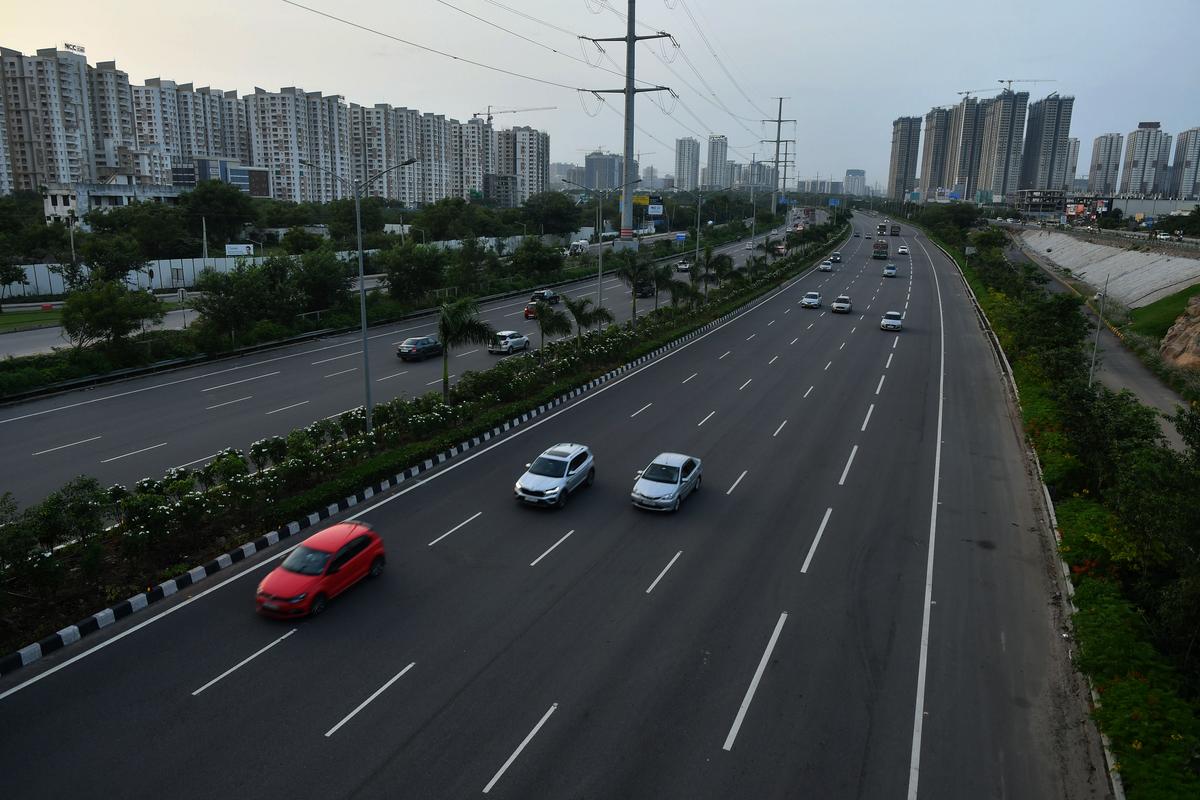
A view of the Outer Ring Road of Hyderabad, close to Kokapet and the twin reservoirs.
| Photo Credit:
Nagara Gopal
In this interview, Vidyadhar Phatak, member of the NCU, former Chief Planner of the Mumbai Metropolitan Region Development Authority, and author of Planning for India’s Urbanisation, talks about the feasibility of the alternative model and whether restricting large cities helps.
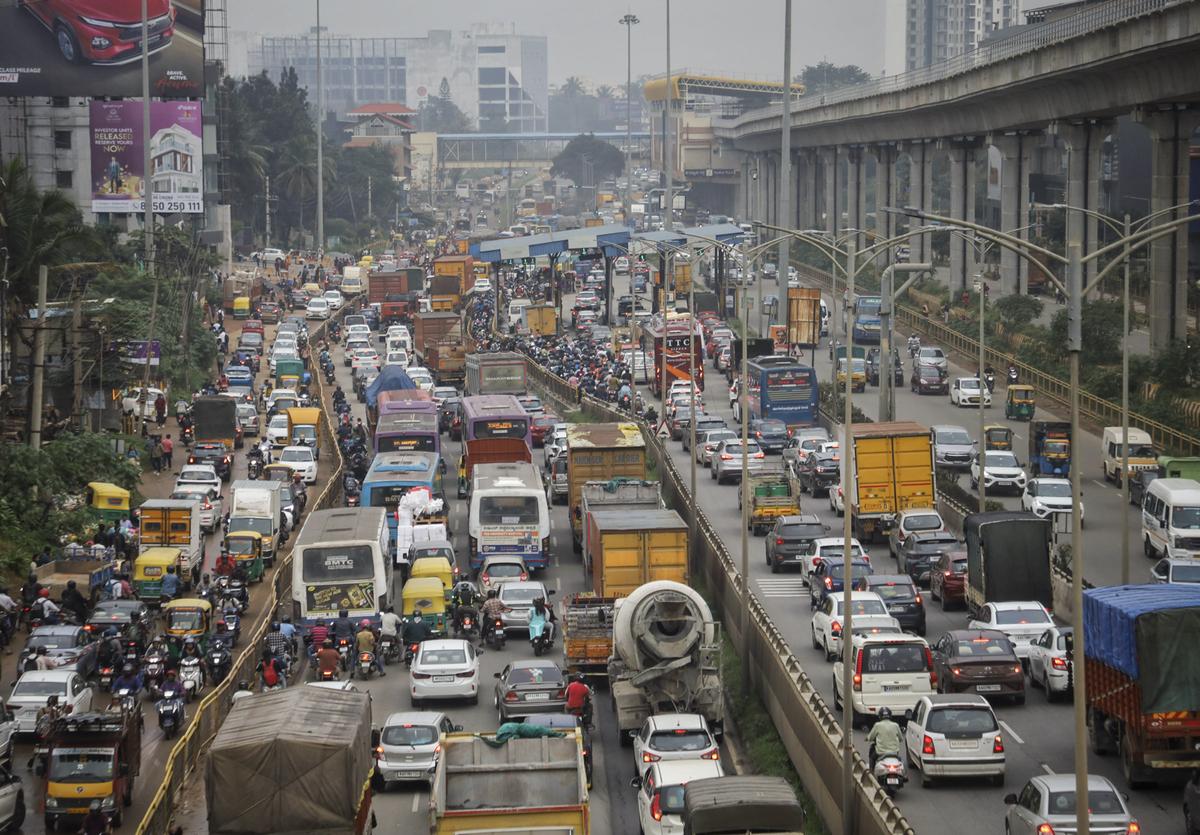
Vehicles stuck in a traffic jam on Hosur road, in Bengaluru.
| Photo Credit:
PTI
Bengaluru’s traffic woes, Delhi’s air pollution, Mumbai’s prices, and recurring urban floods are raising concerns about large cities. Is it time to rethink the mega city orientation and see merit in a more balanced urban development?
The experience thus far shows that city sizes and distribution are dynamic; controlling them would be difficult. Post-independence, India realised that urbanisation was inevitable. Policymakers felt that we should at least avoid large cities in such a situation. However, the attempt to get an optimal city size distribution, that is, how many large, medium, and small cities we need, was more theoretical. Nobody could establish the policy handles to achieve that. Large cities provide agglomeration benefits that are important for innovation. Even small and medium enterprises can flourish only in the context of large cities. That said, growth in other urban centres is also critical.
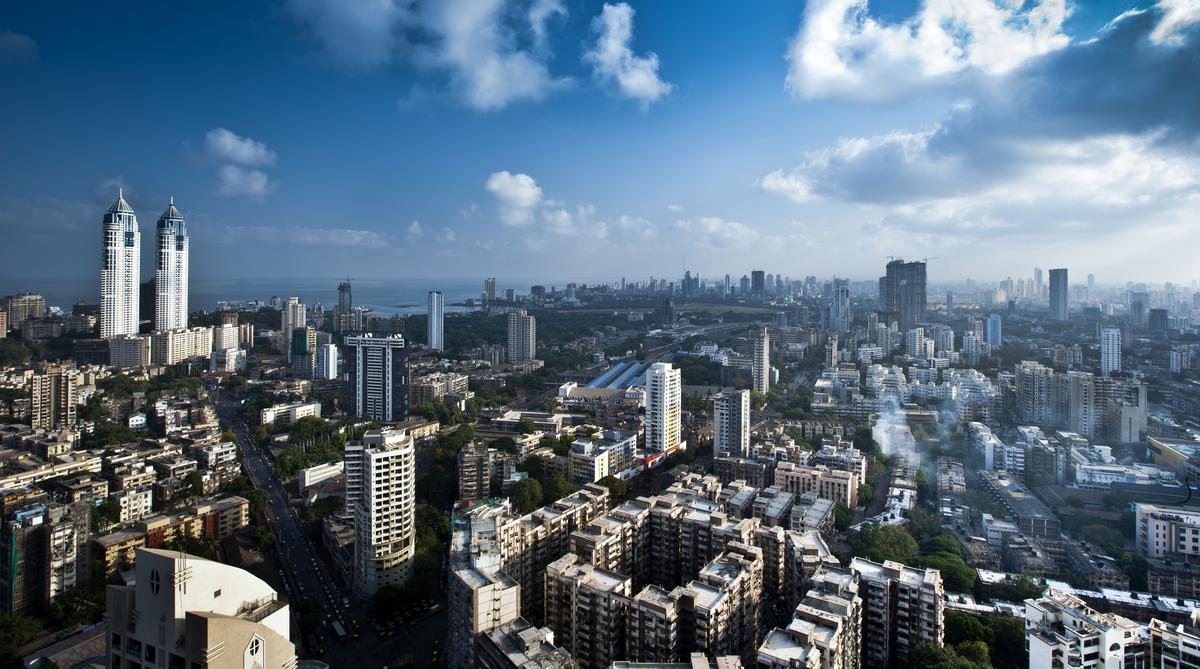
Mumbai skyline
| Photo Credit:
Getty Images/iStock
Two things can happen. One economic transformation will influence city sizes. For example, old economic activities, like the textile industry in Mumbai or Ahmedabad, are either dying or moving away from larger cities. Though financial activities may fill in, such changes will impact city sizes. Furthermore, the migration issue, which principally created an anti-large-city image, is slowing down because of the overall reduction in demographic growth.
Second, large cities are becoming polycentric. Earlier, everything was concentrated in one centre, but that has changed. For example, the Bandra Kurla Complex, Navi Mumbai, and Thane, have emerged as additional centres in Mumbai. If public transportation can connect them, it will address some of the large city problems.
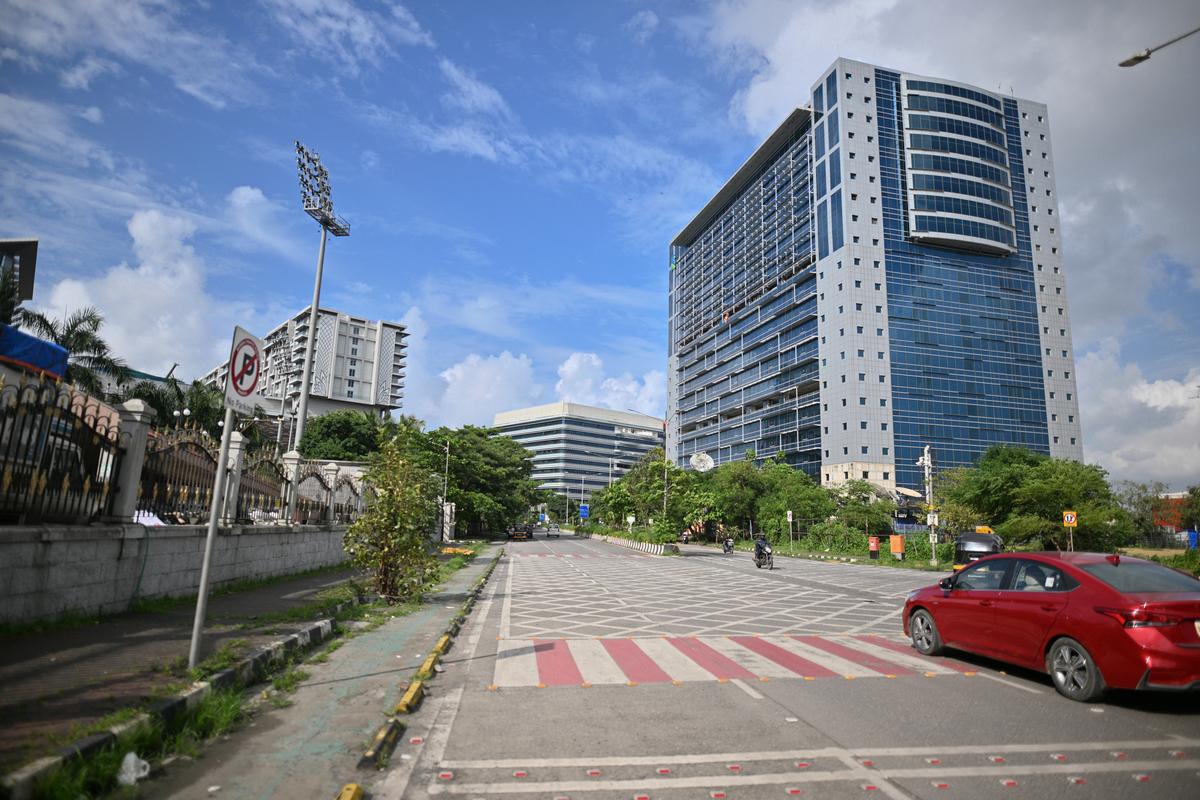
Street view of a business district in Mumbai.
| Photo Credit:
Getty Images/istock
Even as early as 1988, the NCU recommended decentralised growth and moving from high-rise high-density development towards low-rise high-density development. Is this model still relevant? Or does the fact that it did not fully take off show its limitations?
The NCU took a balanced approach. While it recommended 329 growth centres, it also prioritised cities of national importance, significant for the national economy. Its recommendation to direct growth to small and medium-sized towns may not have been fully realised, but the idea continues in schemes such as JNNURM, Smart Cities, and AMRUT. Similarly, plans to support 12 cities along industrial corridors such as the Delhi-Mumbai Industrial Corridor are afoot.
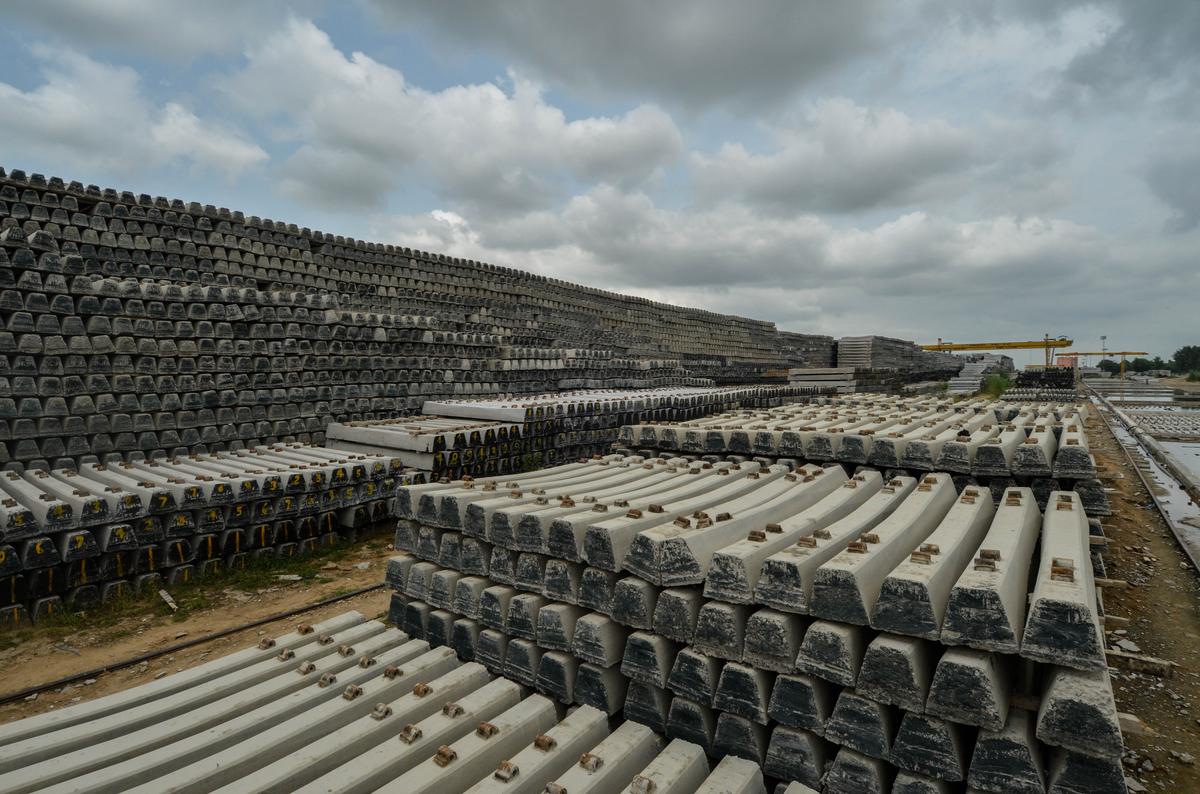
Concrete sleepers stacked for the construction of the Delhi-Mumbai industrial corridor.
| Photo Credit:
Vivek Tripathi
Regarding low-rise high density, the objective was to enable incremental housing. The thinking was that many might not muster the capital to build a full-fledged house but could do so incrementally. However, this was possible only on publicly owned land. You cannot force low-rise in private lands.
What could have been achieved was increasing the supply of serviced land in the periurban area through infrastructure extension. With more land to build on, people might have opted for low-rise, high-density housing, even on private land. This did not happen. Currently, the government is emphasising peri-urban development through land assembly approaches.
The NCU operated in the pre-liberalisation era, and just three years after its report, the economy was liberalised. This severely challenged NCU approaches, but they can be reconsidered and not abandoned.

The alternative development model directs urban growth to predetermined places through stringent state intervention. This works against market forces that prefer large cities. Will such an approach work when private sector engagement in urban growth is central?
Before liberalisation, we used to think that urban plans must decide which sectors and places investments would occur. Now, that has changed. To a greater extent, the market decides which sectors and places to invest in. Guidelines for environmental protection exist, but directing the spatial distribution of economic activities has stopped, and hence, urbanisation patterns cannot be fully predetermined.
Restrictive provisions on the market through planning will not work anymore. If we want distributed growth, we must create market conditions in towns for investment rather than push it. We must focus, particularly through physical planning, on providing public services and ensuring that land is available for public use.
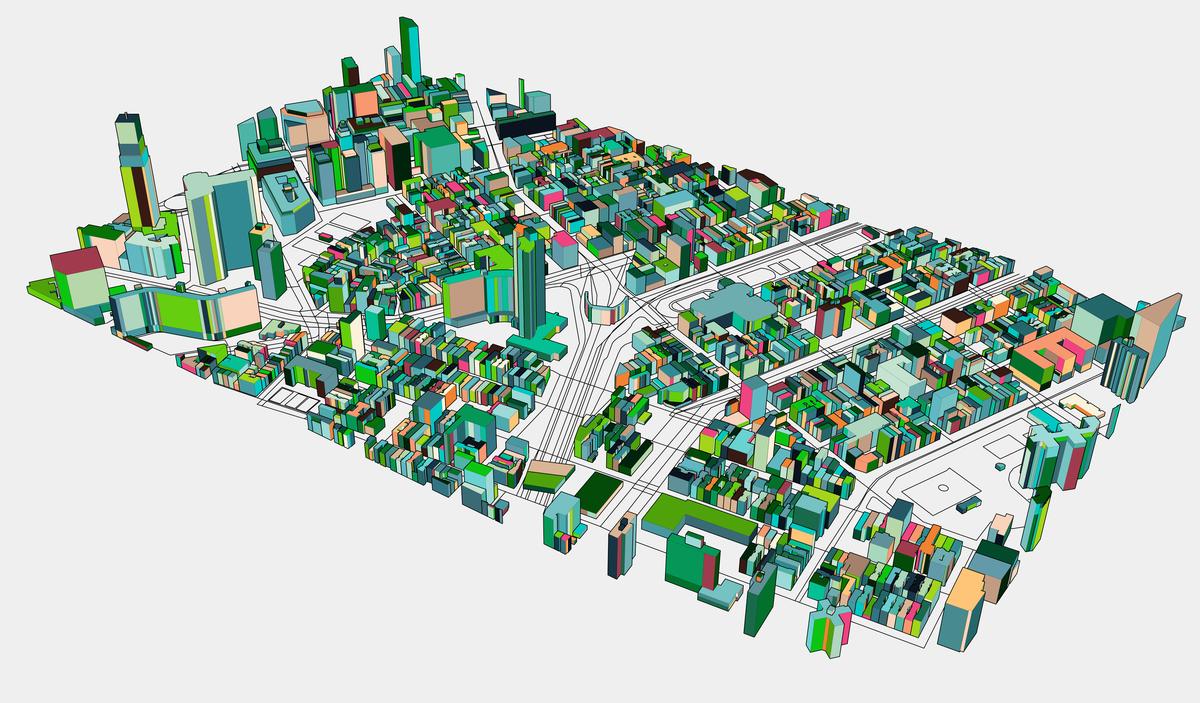
Planners have not stopped restricting city growth, have they? Earlier, it was wrapping a green belt to restrain a city; now, through height limits and lower FSI, determining how much you can build in a plot. Has this helped?
The restrictions focus on the supply side. The argument is that if you restrict the supply of development rights and don’t supply land adequately, the demand will be restrained. That is not how it works. Demand for built-up areas continues to grow with economic growth. When we squeeze the supply, prices rise, which adversely impacts affordability. They even drive away some of the economic activities. Mumbai lost on IT because investors thought Hyderabad was a better place to go. Planners cannot be oblivious to the impact of restrictions on the market.
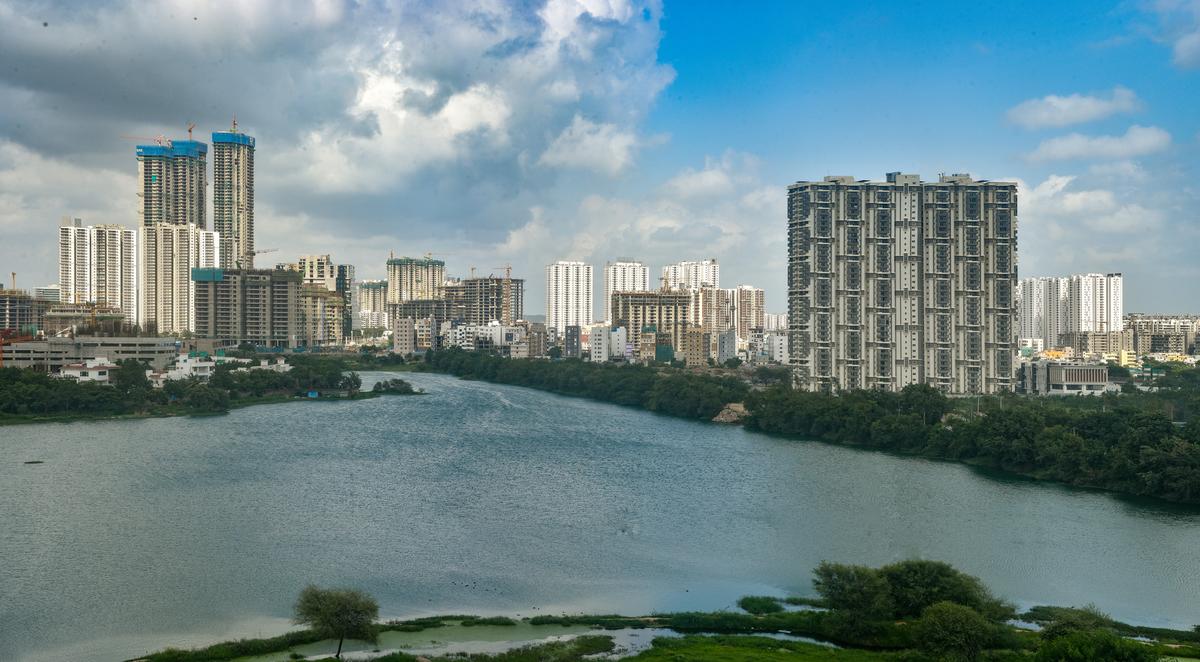
A view of Kokapet Financial District in Hyderabad.
| Photo Credit:
Getty Images/istock
Climate change concerns have become central to planning. Balancing economic growth with long-term sustenance has become imperative. What is the way forward?
Planning must focus on resilience, mitigating greenhouse gas emissions, and other related measures. These are not just for large cities; all urban centres require this care. We cannot continue the large city vs. small city debate in a narrow sense. Large cities have a role in promoting economic growth. At the same time, smaller cities can support rural linkages and the agricultural economy. Disparity in infrastructure services between them is the key problem that needs to be solved. The point is that large city agglomerations are here to exist, and there is a need for other urban centres to grow.
The writer is a professor at CEPT University, Ahmedabad.
Published – November 22, 2024 05:02 pm IST


